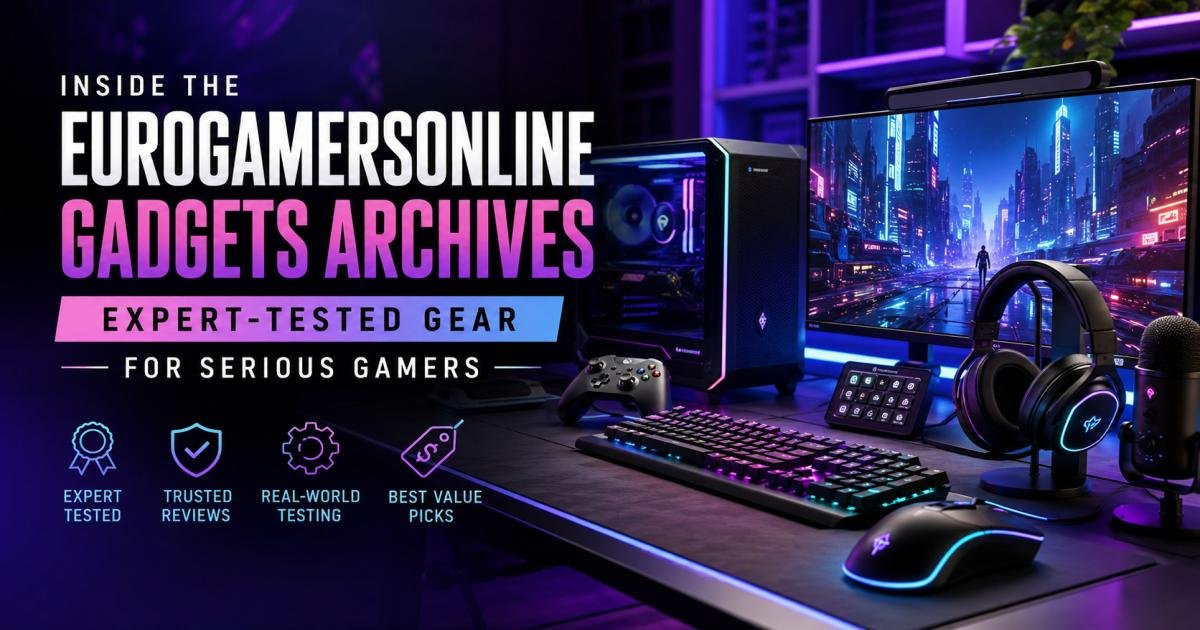
EurogamersOnline Gadgets Archives: Expert-Tested Gear for Serious Gamers
Eurogamersonline Gadgets Archives is a useful place for gamers who want gear that works well in real life, not just on a product page. It focuses on practical devices, setup tools, and gaming-adjacent tech that can improve comfort, speed, and daily use. Serious gamers care about those details because small gains in comfort and control often matter more than flashy features.
A good gaming setup is not built on hype. It is built on the right mouse, keyboard, headset, display, and desk gear. This archive helps readers think about those choices in a smarter way. It gives them a path to better purchases, fewer mistakes, and a setup that fits how they actually play.
What the Eurogamersonline Gadgets Archives Cover
The archive’s role as a gaming-gear hub
The Eurogamersonline Gadgets Archives works like a gear guide for readers who want all useful tech, gaming, and hardware content in one place. It brings together gadget ideas that can help with gaming, desk setup, and everyday comfort. That makes it helpful for players who want to improve their space without wasting money on the wrong gear.
The best part of an archive like this is that it can show more than product names. It can explain why a certain device matters, who should buy it, and what kind of problem it solves. That is the kind of guidance readers need before they spend money.
Who this archive is meant for
This archive fits a wide range of readers. It works for PC gamers, console gamers, mobile players, handheld users, and buyers who are just starting to build a better setup. It also helps people who already own basic gear but want a clearer path toward better performance.
Some readers care most about speed. Others care about comfort, noise, battery life, or price. The archive should speak to all of them, because no two setups are the same. A serious gamer may need a lighter mouse, while another may need a better headset or a cleaner desk layout.
What kind of gadgets readers can expect
Readers can expect gear that affects the full gaming experience. That includes mice, keyboards, headsets, controllers, monitors, docks, charging gear, and setup tools. These items may seem simple on their own, but together they shape how smooth, hassle-free, and enjoyable a gaming session feels.
A strong archive should not stop at the obvious items. It should also cover small accessories that make a big difference, such as cable tools, storage stands, and desk items that keep the space clear. These parts of a setup often get ignored, even though they affect comfort every day.
How We Test and Evaluate Gaming Gadgets
Performance benchmarks and real-world gameplay testing
Gaming gear should be judged in two ways: by its specs and by how it feels in real use. A mouse may have a strong sensor, but it still needs to track well in fast motion. A keyboard may look premium, but it still needs to feel stable during long sessions. A monitor may look sharp on paper, but it still needs to handle motion clearly in a real game.
That is why testing should go beyond the box. Real gameplay shows whether a device feels quick, steady, and easy to trust. It also shows whether a product holds up after hours of use, not just during a short demo.
Comfort, build quality, and durability
Comfort matters more than many buyers expect. A headset that feels fine for 15 minutes can become tiring after two hours. A mouse that looks great may still feel awkward in your hand. A keyboard with a strong frame may still be too tall, too loud, or too cramped for your desk.
Build quality also matters. Gamers use their gear hard. Buttons get pressed thousands of times. Cables move. Headsets get packed and unpacked. Gear should feel solid enough to survive that kind of use. If it feels loose, cheap, or weak early on, it will not age well.
Battery life, latency, and software experience
Wireless gear has become common in gaming, but it only earns a spot in a serious setup if it stays fast and dependable. Battery life should last long enough to avoid constant charging. Latency should stay low enough for play that depends on quick input. Software should be simple enough that users can set it up without frustration.
Software matters more than many shoppers think. A device may have good hardware, but if the app is clumsy or unstable, the whole product feels worse. Clean software makes it easier to save profiles, change settings, and keep gear updated.
Value for money and long-term usefulness
A good gaming gadget should do more than impress on day one. It should stay useful after the excitement fades. That means it must offer real value over time. A cheaper product can be the smarter buy if it does the job well and lasts longer than expected. A premium product can also be worth it if it solves a real problem that cheaper options cannot.
The archive should reward long-term value. It should not push readers toward expensive gear just because it looks good or has a long spec sheet. The best option is the one that enhances the setup each time it is used.
The Main Gadget Categories Inside the Archive
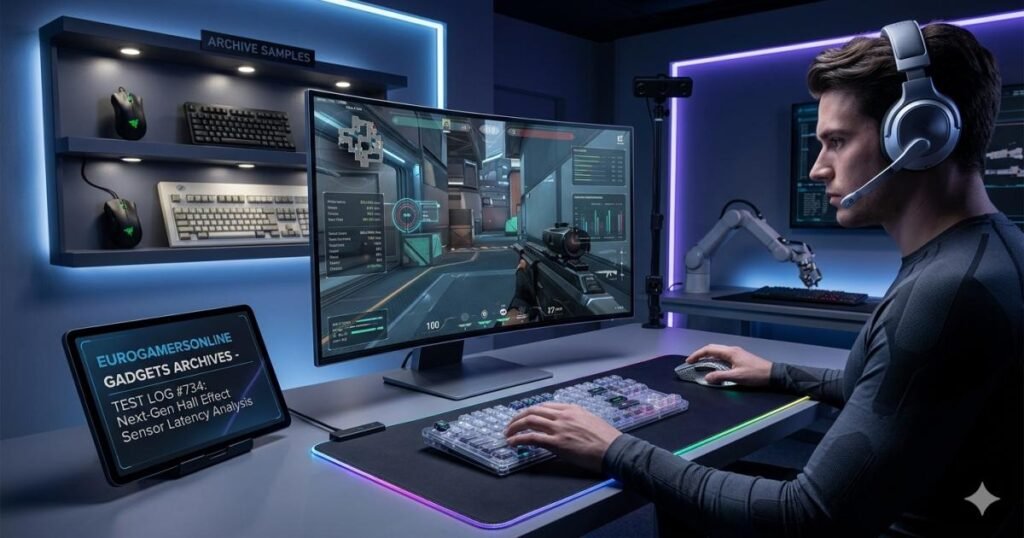
Gaming mice
Gaming mice are one of the most important tools in any gaming setup. They affect aim, movement, and speed in almost every PC game. A good mouse should feel natural in the hand, track well on the pad, and respond without delay.
Readers should look at grip style, shape, weight, button layout, and sensor quality. A fast mouse is useful, but only if it fits the user well. The wrong shape can hurt comfort and control, even if the specs look strong.
Mechanical and wireless keyboards
Keyboards matter because they influence both gaming and daily typing. Mechanical keyboards often give a more defined feel for gaming, while wireless boards can clean up the desk and reduce cable clutter. The right choice depends on the player’s taste, game type, and desk space.
A good gaming keyboard should feel stable and easy to trust. Keys should respond cleanly. The board should stay firm on the desk. If it has wireless support, the connection should feel steady and quick.
Headsets and microphones
Audio can change how a game feels. Good sound helps players hear movement, catch detail, and stay in sync with a team. A headset should also stay comfortable during long sessions and keep voice chat clear.
Microphone quality matters for anyone who plays with friends, streams, or records content. A noisy mic or weak voice pickup can make communication harder than it should be. Good headset coverage should treat sound and comfort as equal priorities.
Controllers and handheld accessories
Controllers still matter for many players, even those who mainly use PC. Console gamers depend on them, and some PC players and gamers use them for racing, platform, sports, or couch gaming. Handheld users also need the right support gear to make portable gameplay easier.
Accessories in this group may include charging docks, grips, cases, stands, and thumbstick covers. These are small items, but they often improve daily use more than buyers expect.
Monitors, docks, and desk setup gear
A monitor can change the whole feel of gaming. Response speed, motion handling, and screen size all affect how a game plays. A bad display can hold back a strong PC, while a good display can make even a simple setup feel much better.
Desk setup gear also matters. Docks, risers, cable tools, and storage items help keep the space neat and practical. A cleaner desk often means fewer distractions and better movement space for both keyboard and mouse.
Best Gadgets for Different Types of Gamers
Competitive esports players
Competitive players should focus on speed, control, and consistency. A lightweight mouse, a stable keyboard, a clear headset, and a low-lag monitor often matter more than extra features. The goal is to reduce delay and keep every action sharp.
This type of player usually benefits from simple gear with strong performance. Fancy tools and extras can get in the way. Clean design and fast response often win.
Console gamers
Console gamers should look for gear that fits the platform well. Good controllers, headsets, charging gear, and monitor or TV support can make a huge difference. Ease of use matters here. The best gear should be easy to set up and easy to live with.
For console users, the right accessories should improve comfort and control without adding extra trouble. A simple dock or headset can solve more problems than a costly item with too many features.
PC gamers
PC gamers have the widest set of options. They can mix and match mice, keyboards, headsets, monitors, and desk gear based on their games and preferences. That flexibility is a strength, but it can also make buying harder.
The best way to choose is by genre. Fast shooters may need speed and low weight. Strategy and MMO players may want extra buttons and more desk comfort. The archive should help readers match gear to the games they play most.
Mobile and handheld gamers
Mobile and handheld players need gear that fits a compact setup. Portability, battery life, grip, and protection matter a lot here. The best accessories should make the device easier to hold, carry, and charge.
This group often needs small upgrades that have a clear effect. A better grip, a good power plan, or a well-made case can improve the whole experience.
Budget-conscious buyers
Budget buyers should aim for the biggest gain per dollar. That often means fixing the weakest part of the setup first. For some people, that is the mouse. For others, it is the headset or the monitor.
The smartest budget choice is not always the cheapest one. It is the item that gives the most real benefit without wasting money on features that will never be used.
Premium performance seekers
Premium buyers want the best feel, the cleanest build, and the strongest support. They are often willing to pay more, but only when the upgrade makes a clear difference. For this group, quality should justify cost.
Premium gear should feel better, last longer, or solve a real problem that cheaper products cannot handle well. If it only looks expensive, it is not worth the spend.
How to Choose the Right Gaming Gadget
Match the gear to your platform
This is the first step. A product that works well on one platform may not be the best fit for another. PC, PlayStation, Xbox, Switch, and mobile each have different needs. Before buying, check the match between the gadget and the system.
Prioritize the specs that actually matter
Do not chase every number on the box. Pick the specs that affect your play. For mice, look at shape, weight, and tracking. For keyboards, look at feel and a good layout. For headsets, look at comfort and good voice quality. For monitors, look at motion handling and input speed.
The right specs are the ones you will notice every day. Extra marketing numbers do not help if they do not change how the gear feels.
Balance comfort, performance, and price
The best gadget is rarely the one that excels solely in one category with the highest numbers. It is the one that gives a good mix of comfort, speed, and cost. A setup that feels good for long sessions usually gives more value than one that looks impressive but feels awkward.
This balance matters because gaming gear gets used a lot. If it causes strain or annoyance, the price was too high no matter what the label said.
Avoid hype-driven purchases
Many gaming products get attention because of brand names, social media, or bold claims. That can lead buyers toward gear that sounds better than it performs. A smart buyer looks past the hype and asks a simple question: does this product actually help me play better or feel more comfortable?
That question keeps the focus on real use instead of ads.
What Criteria Make a Gadget Worth Adding to the Archive?
Consistent performance over time
A gadget earns trust when it keeps working well after repeated use. It should not only feel good on day one. It should still feel good after weeks and months of regular gameplay.
That kind of steady use is what turns a product from a nice item into a dependable part of a gaming setup.
Strong software and firmware support
Modern gear often depends on software. That means updates, settings, and fixes matter. A product with good support can stay useful longer and adapt better to new needs.
If the software is clean and stable, the gear becomes easier to live with. If it is messy, the product feels harder to trust.
Warranty, reliability, and brand trust
Buyers should always think about support after the sale. A good warranty can protect the purchase. A reliable brand can reduce the risk of early failure. Trust grows when a company backs its products and solves problems well.
This does not mean every famous company or brand is the best pick. It means the buyer should pay attention to after-sales support, not just launch buzz.
Editor-tested value, not marketing claims
A product should earn its place through testing, not just through claims. Real use matters more than ads. The archive should reflect that by focusing on what the gear does well, who it suits, and where it falls short.
That kind of clear value helps readers make better choices.
Common Mistakes Gamers Make When Buying Gear
Chasing specs without testing comfort
A high spec does not fix bad comfort. A mouse can have a strong sensor and still feel wrong in the hand. A headset can have great sound and still hurt after one hour. Comfort must stay part of the decision.
Ignoring compatibility
Some gamers and buyers forget to check platform support, port needs, or software limits. That mistake can waste money fast. Always check that the gear works with the system you already own.
Overpaying for features they will not use
Many products come with extra features that sound useful but never get touched. A smart gamer or buyer should pay for the parts that matter most, not for a long list of extras that stay off.
Buying based on trends instead of needs
Trends move fast. Needs stay steady. A good setup should match the way you play, not the loudest product online. Buying for style alone often leads to regret later.
Expert Tips for Optimizing & Getting More from Your Gaming Setup
Small upgrades that make the biggest difference
The best upgrades are often simple ones. A better mouse shape and smoothness can improve aim. A better headset can make voice chat clearer. A cleaner desk can give more room for movement. These changes may sound small, but they can change the way a setup feels every day.
When to upgrade and when to wait
Upgrade when your current gear slows you down, causes pain, or limits the way you play. Wait when your gear still works well, and the new item would only bring a small change. Smart timing saves money.
How to build a balanced setup
A balanced setup means each piece supports the others. The mouse should suit the pad. The keyboard should fit the desk. The headset should stay comfortable. The monitor should match the game style. No single part should pull the whole setup down.
Frequently Asked Questions
Q1. Is the archive updated regularly?
A useful archive should grow over time and keep adding fresh gear ideas, setup tips, and buying help. That keeps it good and useful for readers who return later.
Q2. Are the recommendations beginner-friendly?
Yes. A good archive should help both new buyers and experienced gamers. It should explain gear in plain words and avoid making the reader guess.
Q3. Which gadget should I buy first?
For most people, the first buy should fix the biggest problem in the current setup. That may be a mouse, headset, or monitor, depending on the platform and the game type.
Q4. How can I determine if a product or gadget is worth its price?
Look for comfort, steady performance, good support, and long-term use. If a product only looks good in ads, that is not enough.
Q5. Do wireless gaming gadgets work well enough now?
Many do. The key factors are low delay, a stable connection, and good battery life. Wireless gear is a smart pick only when it stays dependable during play.
Q6. Do I need expensive gear to play the games well?
No. Skill matters more than price. Good gear helps, but the best setup is the one that fits your needs and feels right in use.
Q7. What makes a gaming headset worth buying?
A good headset should feel comfortable, sound clear, and keep voice chat easy to understand. If it hurts after a short time, it is the wrong pick.
Q8. Can desk setup gear really help?
Yes. Better desk gear can improve space, posture, and cable control. That often makes gaming feel cleaner and less tiring.
Final Takeaway
Why this archive matters for serious gamers
The EurogamersOnline Gadgets Archives matters because it gives gamers a practical way to think about gear. It helps readers move past hype and focus on what actually improves play, comfort, and daily use. That includes the small tools people often ignore and the bigger items that shape the whole setup.
For serious gamers, that is the real win. Better gear should fit the player, the platform, the desk, and the budget. It should last, feel good, and do its job without drama. That is the standard this archive should stand for, and that is why it can be useful to readers who want smarter buys and better gaming sessions.